
Third International Conference on the Mathematics of Neuroscience and AI
Crete, 2022
24th and 25th September, 2022. Crete. Virtual or in-person..
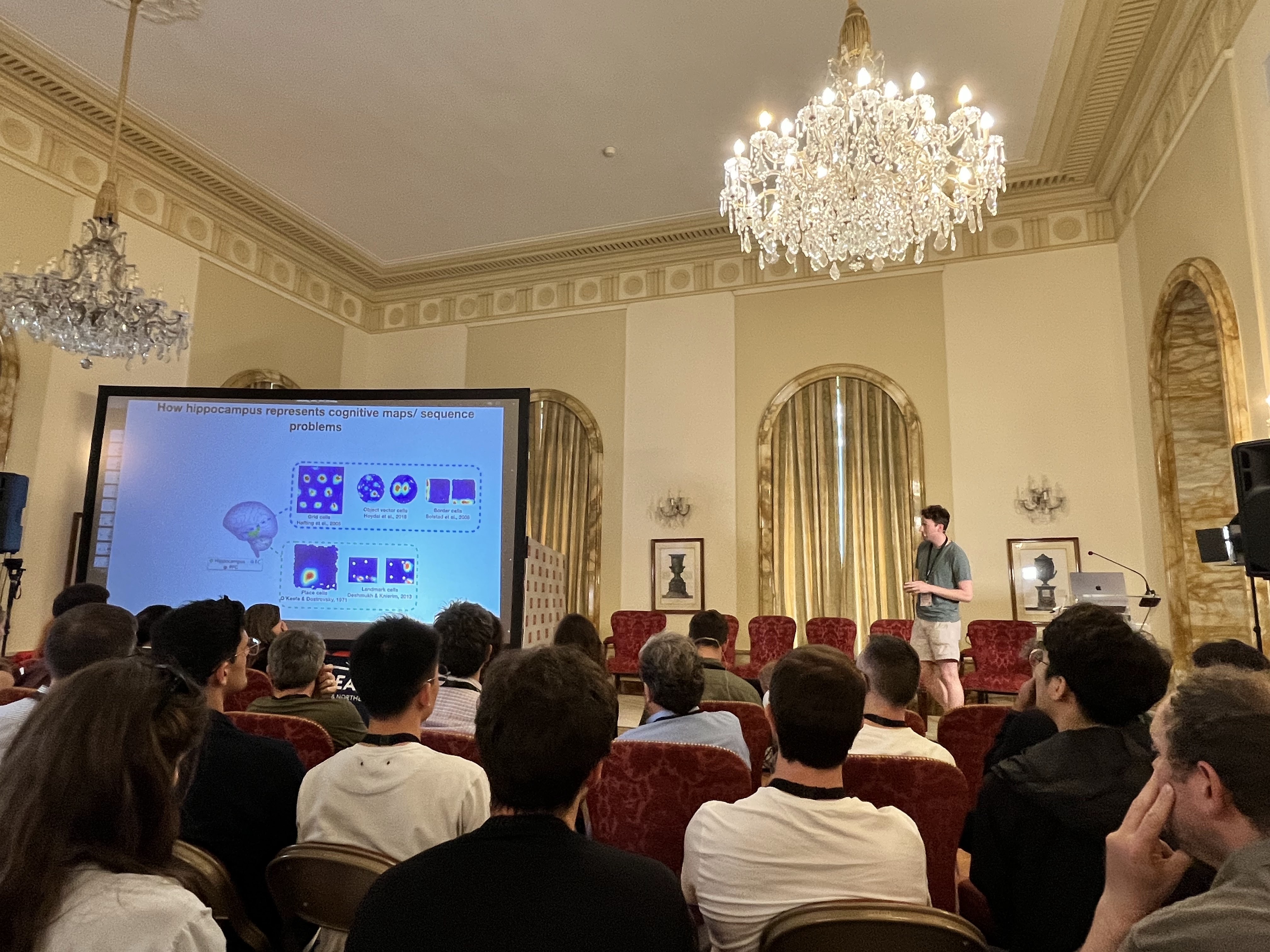
Two decades into the 21st century, can we claim to be any closer to a unified model of the brain?
In this exploratory symposium, we invite submissions for short talks and posters presenting general mathematical models of brain function. We give priority to those models that can account for brain or behavioural data, or provide simulations to that effect. This year's theme is life-long learning and discovery.
Keynote Speakers
Keynote
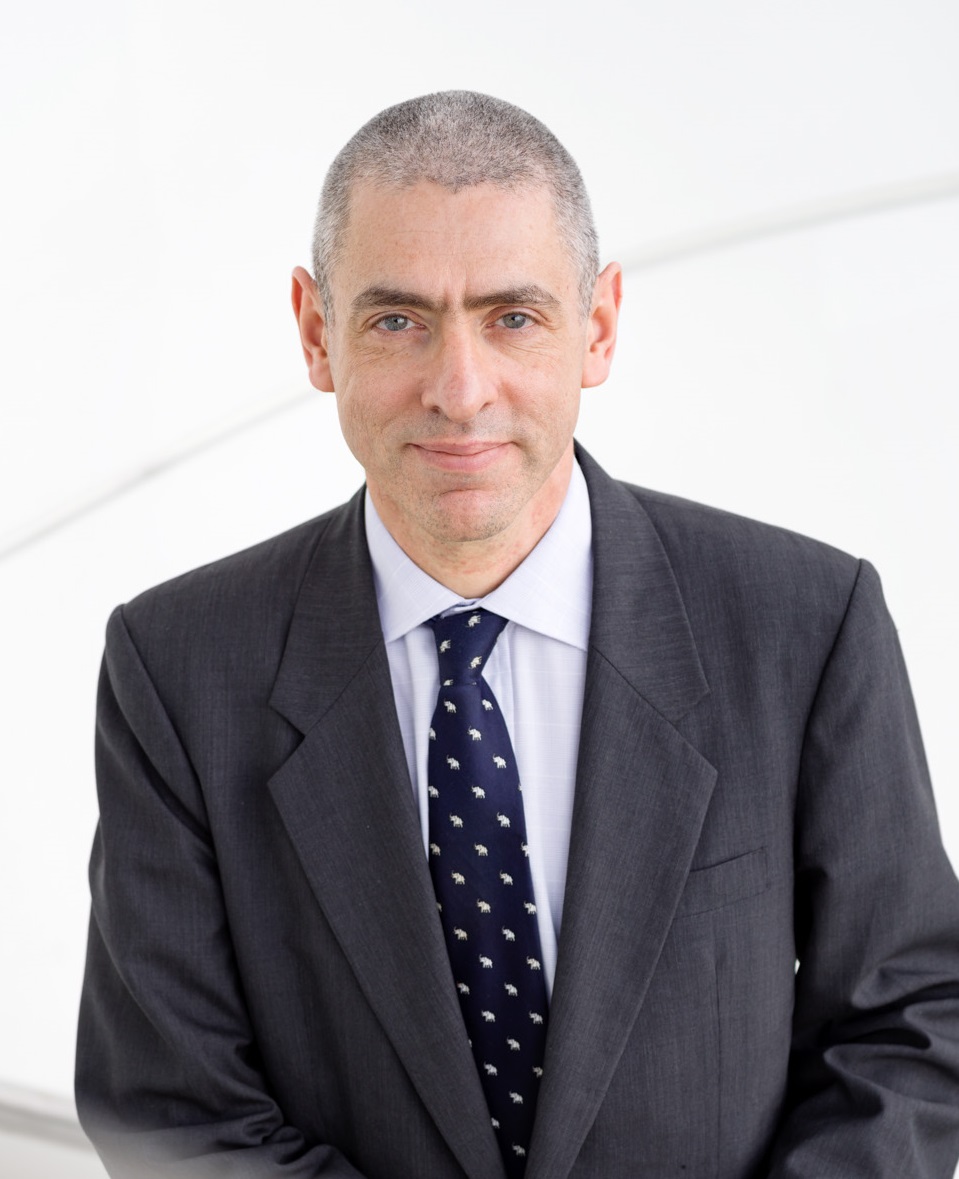
Professor Peter Dayan
Director, Department of Computational Neuroscience, Max Planck Institute for Biological Cybernetics, Tübingen
Keynote
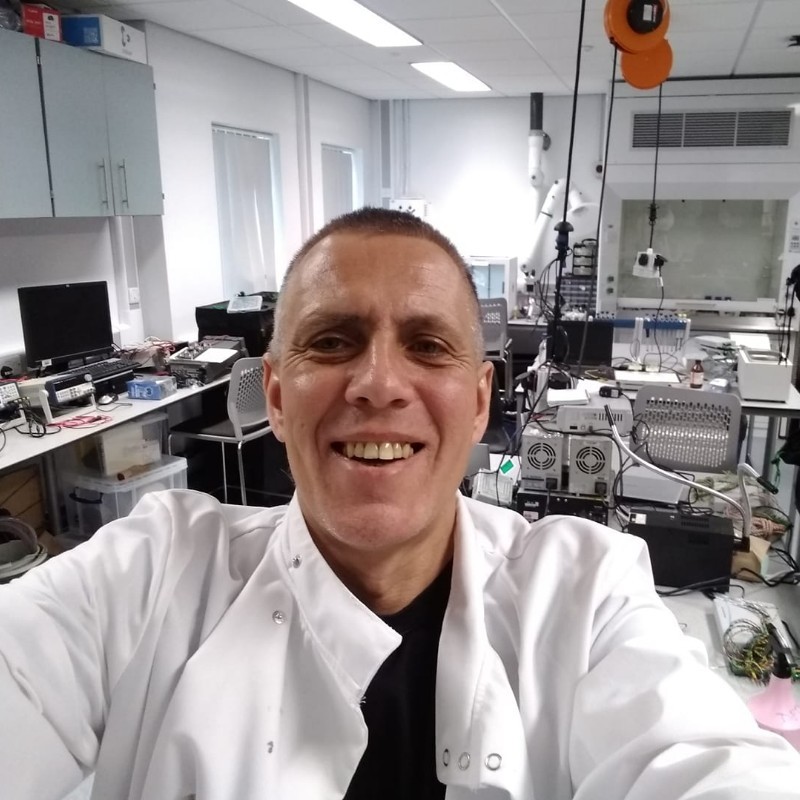
Professor Andrew Adamatzky
Director, Unconventional Computing Laboratory, University of the West of England
Schedule
Friday 23rd September 2022 (UTC+3)
19:00Conference Dinner (Venue TBA)
Saturday 24th September 2022 (UTC+3)
08:00Professor Dan V. Nicolau Jr. Opening remarks
08:30Dr Ruairidh M Battleday: Going out of book: levels and theories in computational cognitive science
09:00Keynote: Professor Peter Dayan. Learning From Scratch: Non-parametric Models Of Task Acquisition Over The Long Run
10:00Professor Kevin Burrage: Coping With Tissue Heterogeneity: Modelling The Electrophysiology Of The Human Heart
10:30Break
11:00Dr Jonathan Mason: Setting the Benchmark Test for Archetypal Models in Mathematical Consciousness Science
11:30Dr Lisanne Stock: Don't Sweat The Micro, Sweat The Macro—A Clinical Approach To Neuroscience
12:00Remote session 1. Dr Golnaz Baghdadi, Dr Kamila Maria Jóźwik, Orr Paradise, Dr Aslan Satary Dizaji, Profesor Pedro Resende, Jamal Williams
13:00Lunch
14:00Professor Michael Levin: Neuroscience Outside The Nervous System: Bioelectric Basis Of Basal Cognition In Morphogenesis
15:00Professor James Whittington: Why Do Neurons Look The Way They Do? From Cell-types And Modules To Mixed Selectivity And Warping
15:30Dr Ilia Sucholutsky: Learning From Almost No Data
16:00Break
16:30Dr Sophia Sanborn. Tutorial: Manifolds, Lie Groups and Geometric Machine Learning for Neuroscience
17:00Prize talk: Andrew Ligeralde. Geometry Reveals A Role Of Retinal Waves As Biologically Plausible Pre-training Signals
17:30Professor Carina Curto: Sequences And Modularity Of Dynamic Attractors In Inhibition-dominated Neural Networks
18:00Professor Marc Howard: Constructing A Continuous Estimate Of The Future
18:30Remote session 2. Dr Hamza Giaffar, Li Xin Lim, Anja Meunier, Kerry Nix, Dr Michael A. Popov, Chris Rourk
Sunday 25th September 2022 (UTC+3)
08:00Remote session 3. Dr Chris Hillar, Dr Nir Lahav, Sotirios Panagiotou, Christian Shewmake, Dr Nicolas Zadeh, Liu Zhang
09:00Keynote: Professor Andrew Adamatzky. Fungal Brain
10:00Dr Christina Merrick: Selective Reduction In Loss-related Behavior During Subthalamic Deep Brain Stimulation In Parkinson's Disease
10:30Break
11:00Dr Andrew Duggins: The Flat Plane Between Experiential Horizons Of Motion
11:30Dr Steeve Laquitaine: Pruning For Efficiency In Hopfield Networks
12:00Professor Kobi Kremnitzer: Scientific Theories Of Consciousness, The Closure Of The (Current) Physical, And Collapse
13:00Lunch
14:00Prize talk: Dr Aenne Brielmann. Boredom In Aesthetic Experiences
14:30Dr Thomas Langlois: 3D Perspective Memory Priors Reflect Efficient Semantic Categories
15:00Taylor Beck: The Motivated Mind: Bipolar Disorder and the Roots of Drive
15:30Amey Zhang: Thinking With Comics: How The Medium Can Reflect The Mind
16:00Break
16:30Professor Rahul Bhui: Ambiguity And Confirmation Bias In Reward Learning
17:00Dr Constantine Dovrolis: The Hourglass Architecture Of Multi-sensory Integration And Lifelong Learning
17:30Dr Ilias Rentzeperis: Sparser Models For Visual Coding With Homeostasis Constraints
18:00Dr Spyridon Chavlis: Empowering Deep Learning Architectures By Adding Biological Features
18:30Professor Dan V. Nicolau Jr: Information Complexity and Unified Theories of the Brain
Topics Covered
Computational neuroscienceReinforcement learningCognition/protocognitionTheory of mindNeural circuits and ANNsNeural complexityBrain-machine interfacesBiocomputationMathematical approaches to consciousness
Sponsors
Diverse Intelligences InstitutePrinceton UniversityIn cooperation with FUNGAR
Conference Chairs
Chair
Prof. Dan V. Nicolau Jr
King's College London · Oxford
Chair
Dr Ruairidh Battleday
Princeton